
"why does everything bad come from there?"
A story of ecological twins

Most of us have likely never considered which part of the world contains the most species of salamanders. Probably like, somewhere tropical, right? But it’s actually here, in the southeastern US. More specifically, the salamander capital of the world is the southern Appalachian mountain range with 77 distinct species, or 14% of all salamanders in the world1. So what makes the southern Appalachians, and the broader southeast, ecologically unique?
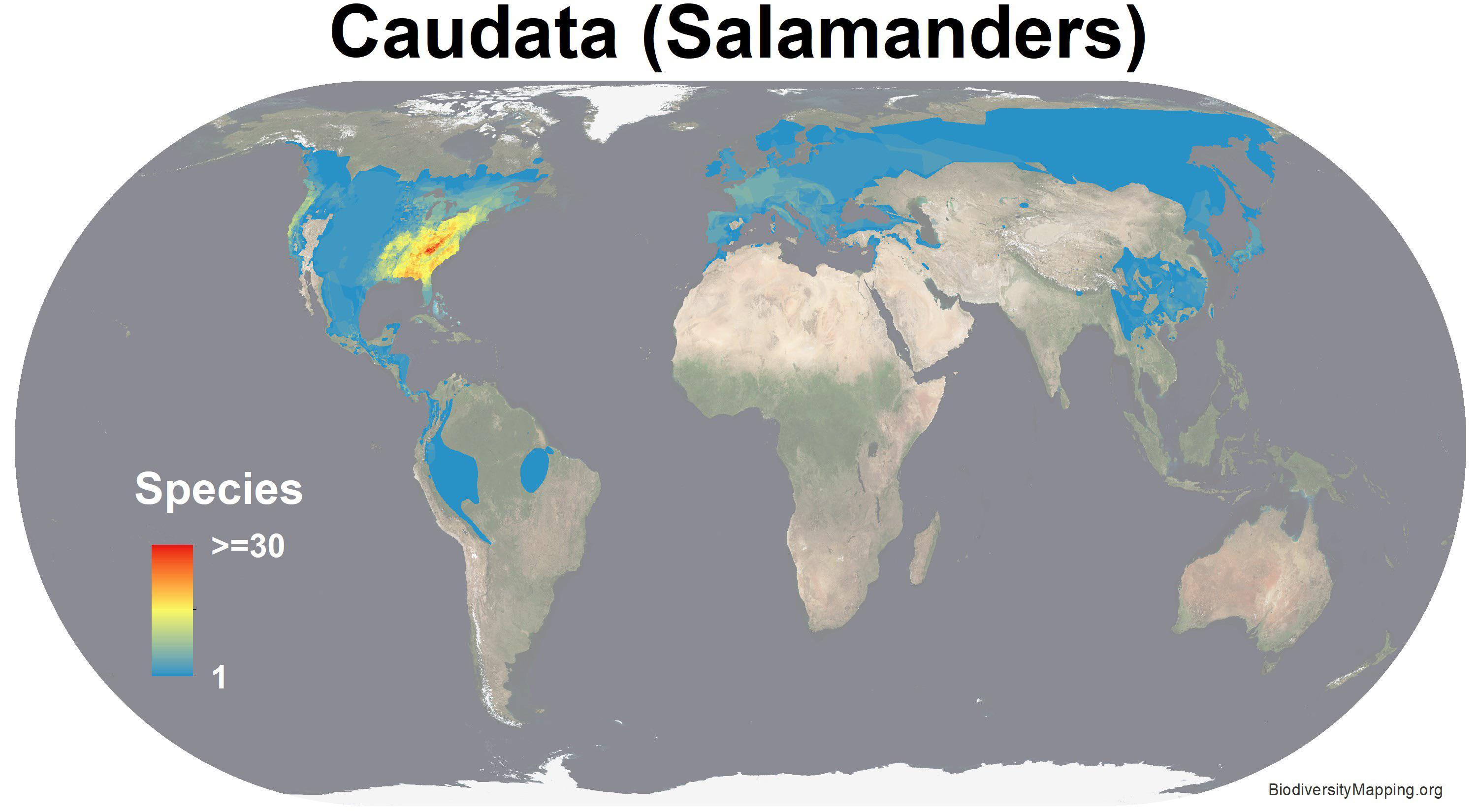
The southeastern US sits in a region known as the “subtropics,” those areas that are warmer than a classic temperate forest but still experience defined seasons of warm and cold, unlike the true tropical zones. This makes the Southeast an ideal home for salamanders—warm enough for easy winters and a long summer feeding season, while still cool and wet enough to maintain high oxygen levels in the waters that sustain them. But because of the global patterns of wind and ocean currents, wet subtropical forests like the southeastern US are relatively rare.
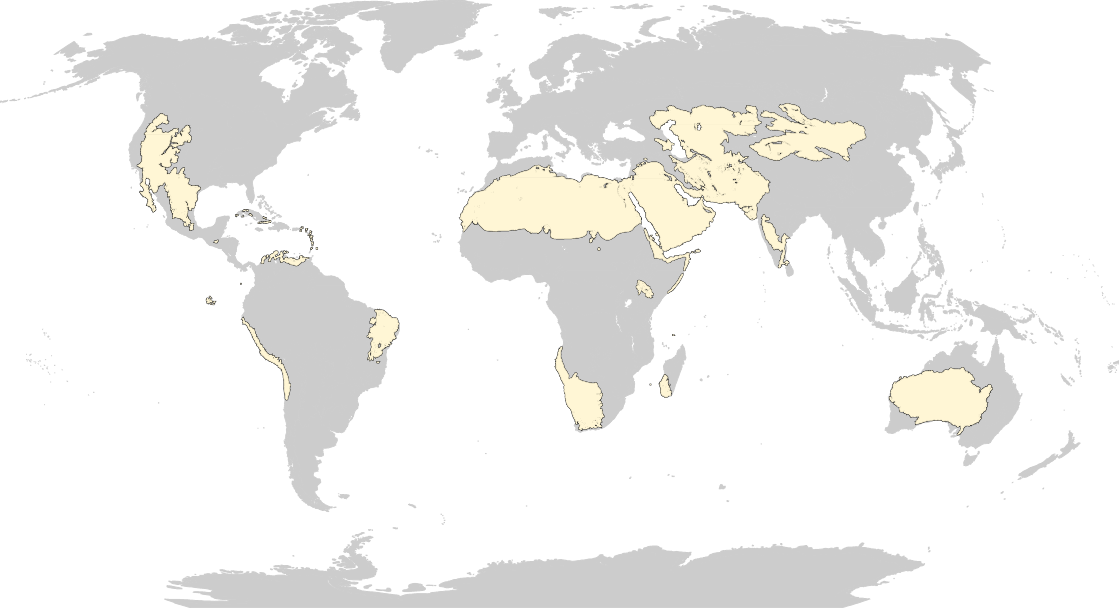
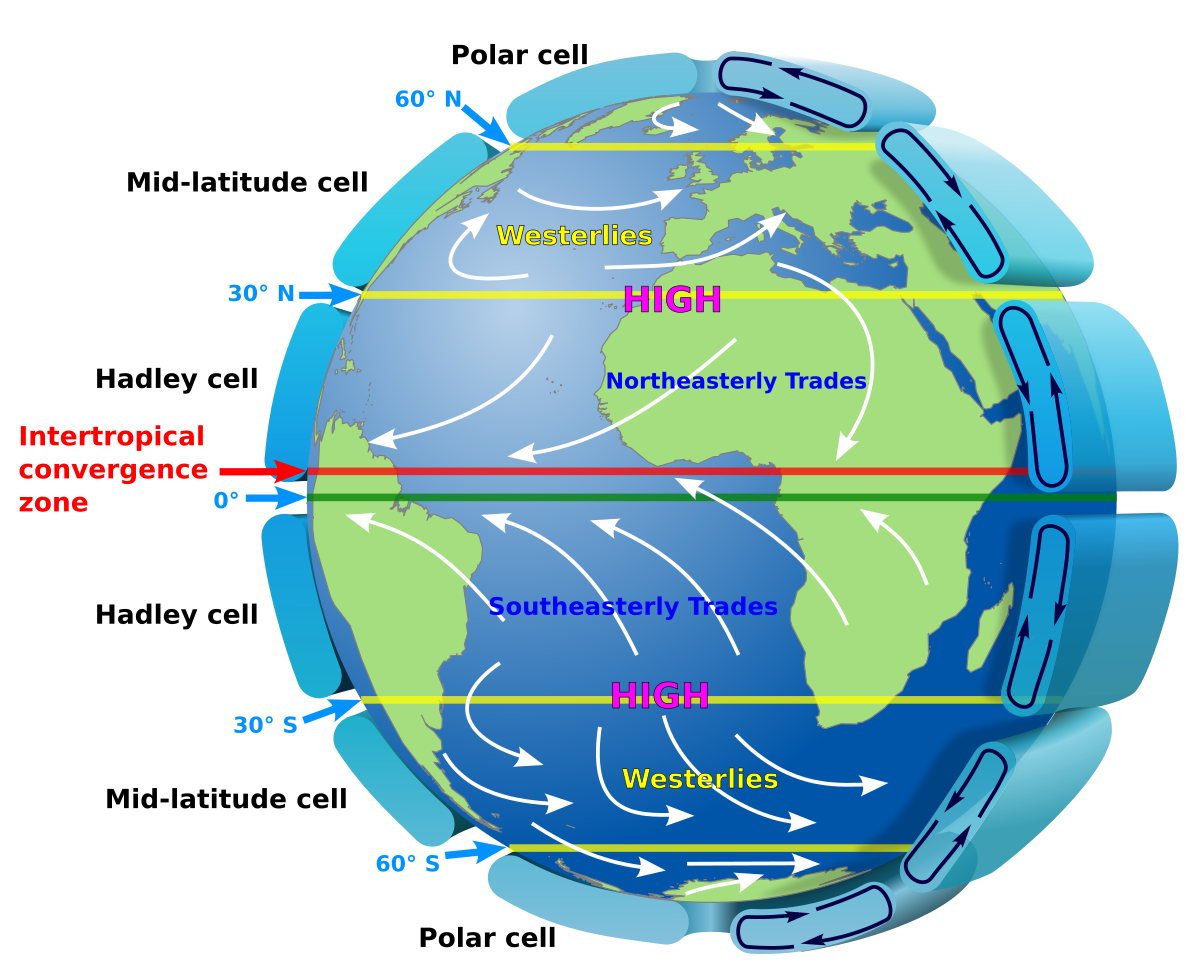
Sailors called subtropical latitudes “horse latitudes” because the high pressure around 30-35 degrees north or south of the equator resulted in stagnant winds and stalled ships. Crews low on water then resorted to throwing their horses overboard. On land, many of these subtropical regions are deserts, especially those along western coasts. Westerlies and trade winds carry subtropical moisture away while the warm dry air sinks down to the 30 degree latitude, leaving only dust and sand. Think Arizona, the Sahara, the Atacama desert in South America, most of the Middle East, the Kalahari desert in southern Africa, the Gobi desert in Asia, or the Australian Outback. If so many subtropical areas are dry, then how did the Southeast US get “enough humidity to make your [redacted] as sticky as taffy?”2
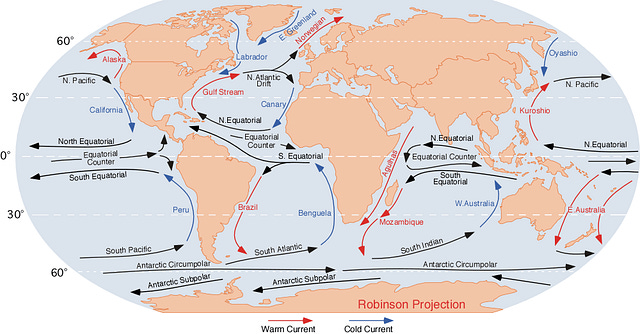
In both the northern and southern hemisphere, western coasts are usually accompanied by cold ocean currents. Cold ocean currents provide little moisture, resulting in the frequent subtropical deserts. Eastern coasts, on the other hand, have warm ocean currents like our famous Gulf Stream. These currents, along with the warm Gulf of Mexico, provide much of the Southeast’s famous humidity and sustains its year-round precipitation. Consistent moisture creates ideal growing conditions both for salamanders and the plants that define the region’s vibrant green landscapes. A handful of other locations around the globe share this climate—namely southeastern Africa, East Asia, and eastern Australia. The similar climate produces similar ecosystems, and a curious connection—especially with our twin in the northern hemisphere.
Only a nature nerd would end up down these rabbit-holes, and I certainly qualify. By winter I teach science in DC Public Schools, and in summers I lead nature hikes for kids in Western NC. I teach them about the relationships between the salamanders and the trees and everything else in the ecosystem. Our forests have been shaped in recent decades by battles with invasive insects and diseases, nearly wiping out iconic species like the American Chestnut and Eastern Hemlock. We often tell these stories to kids in an attempt to keep the memory alive, encourage interest in reviving the species, and warn against future introductions.
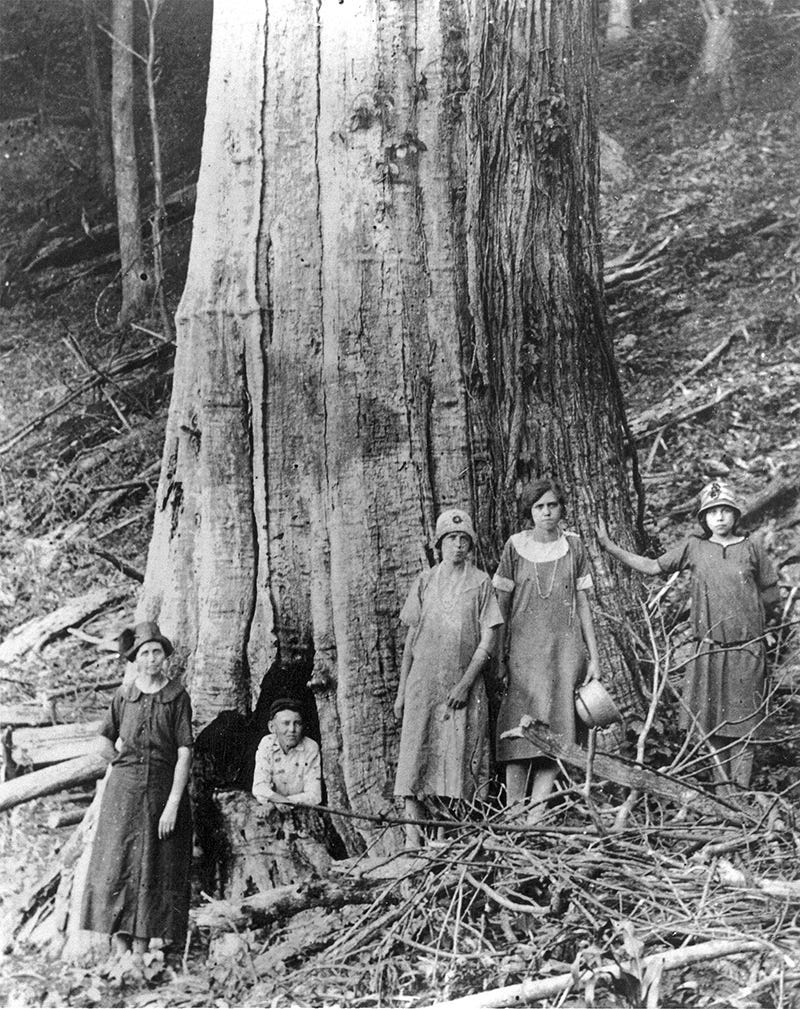
One time on a hike in 2022, a kid stopped me as I launched into the story of the American Chestnut. I had just described how the fungus had made it here from China and Japan when the kid asked “Why do all the bad things come from there? All these invasive species and COVID too.”
While I can’t remember exactly what I said in the moment—potentially highlighting all the wonderful things that have come here from East Asia, or the bad things that have come here from Europe—this comment forced me to delve into the details that created this ecological highway between the Blue Ridge Mountains and a set of forests 7,000 miles away. Why do so many of our invasive species originate in East Asia? It was then that I noticed the subtropics, the deserts, and that while the Southeast was rare it was not entirely unique. Even more than climate, East Asia was once connected to North America as part of the Laurasia super continent. Our time together left us with many congener species, or species that share the same genus and are essentially siblings in the web of life. A 2015 study from the Duke Biology department used DNA analysis to determine that “over half of all the trees and shrubs in the southern Appalachians can trace their ancestry to relatives a half a world away in Asia.”3 65 million years ago, when the Laurasia supercontinent was still connected, these plants would have covered much of the northern hemisphere. As climates changed, they died out except in two very special locations with wet subtropical climates: East Asia and Southern Appalachia. Examples include the American Chestnut and the Chinese Chestnut, the diverse array of hemlock species in both continents, and even giant river salamanders. Sharing so many species has allowed pests to easily jump to new hosts that lack the resistance built up by the original host as it evolved side by side with the pest evolved over many generations.
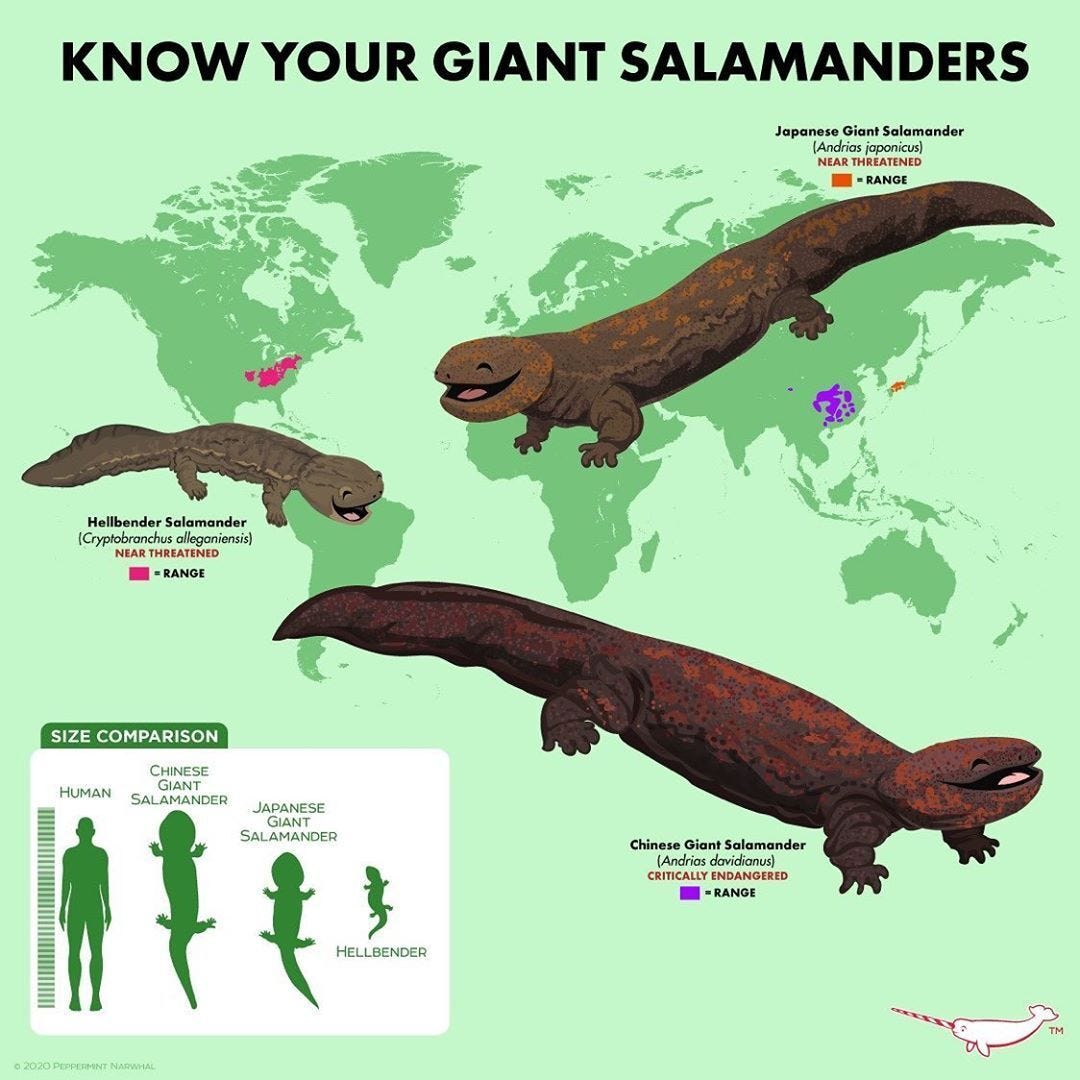
Many of our species have followed the same logic and taken the opportunity to run amok in East Asia, including raccoons, common snapping turtles, carolina anoles, and plants like trefoil, fleabane, and lanceleaf coreopsis. Just like we experience here with species like Japanese knotwood or the hemlock woolly adelgid, these species cause damage to local ecosystems and agriculture across Japan, China, and Korea. Dr. Jiri Hulcr, an assistant professor who studies trees and invasive insects at the University of Florida, told Entomology Today that “I can tell you China is receiving an equal amount of pests from us.”4 It’s not that they’re sending bad things here—it’s just that we’re so similar in ecology, species just can’t help but make the jump.
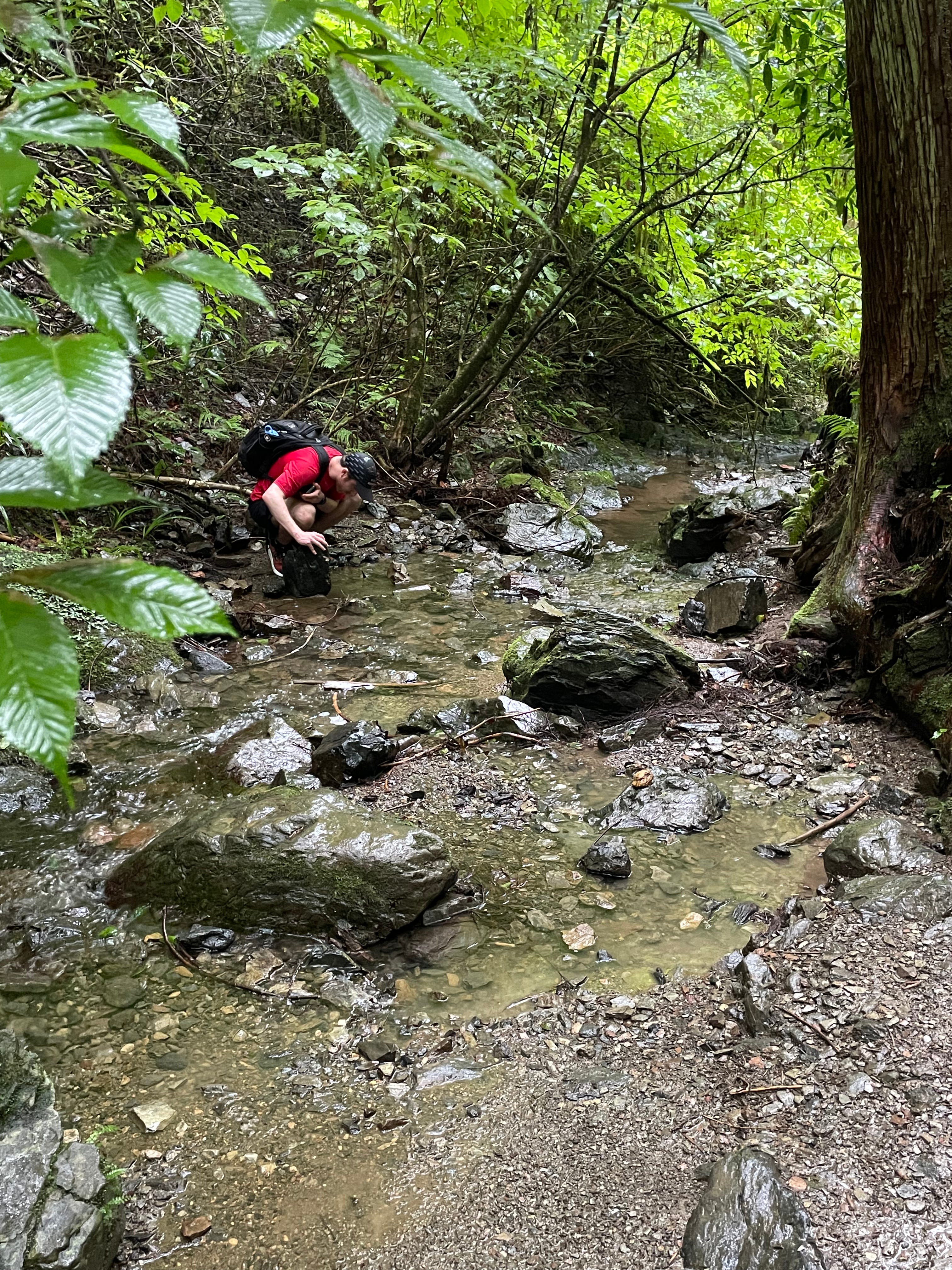
I traveled to East Asia for the first time in July of 2025, visiting the Tokyo area for four days and touring five cities in China over two weeks. One of the first things that my sister and I did in Japan was to go for a hike. We ascended Mt. Takai alongside a cheerful stream under a blanket of fog and dense canopy of trees. Even already knowing the ecological similarities between the two places, I was struck by how at home I felt. We stopped by the water, and I looked under the rocks for salamanders and crayfish just like we had been doing a week prior at camp in Western NC. My childhood in the forests of central North Carolina likely had a lot in common with the millions of children growing up at the same time in Japan, Korea, and China.
My sister was adopted from China, which is why we went to East Asia this summer. We visited her orphanage, and I took down the coordinates for future reference. It’s at 34.36 degrees North. The camp both of us work at in North Carolina? 35.16 degrees North, relative spitting distance of 0.8 degrees in the 90 degree arc of the northern hemisphere. While we may not have been able to understand the spoken language, the the climate and ecology weren’t too challenging to decipher.
At first glance, the frequent transfer of invasive species might serve to further the growing mistrust between our two regions, as it did for the child who asked me about all the bad things coming from East Asia. But I really think it can be a force of unity. Now, I start the story of invasive species by first explaining the similarities between our forests and those in East Asia. Two places once joined millions of years ago, and some of the only subtropical areas with enough rain to sustain our unique type of ecosystem. While our species have caused each other significant damage, it should be something we can work together on—the fundamental issue isn’t our differences, but rather about what we have in common.
Thinking this way can help not only our intercultural relations, but can even help lead us to healthier ecosystems. Professors Hulcr and Yiyi Dong from the University of Florida have worked with Dr. Jie Gao from the Chinese Academy of Sciences to identify which Chinese insects might pose a threat to North American trees. They have set up a system to monitor North American species planted in China, analyzing which insects attack which species and what the effects are. Hulcr explains that Chinese researchers “possess extensive knowledge of American trees due to their efforts in the afforestation of fallow farmlands over the last century”5. I’d be fascinated to take them hiking with my students.
Author’s note:
I have a Bachelor’s of Science in Environmental Science from Duke University, with an honors thesis in Ecology. The topic in this article is a big one—please reach out with any contributions you might have!
I’ll continue to use this Substack to share stories about nature and culture. Sign up if you want to read more!
https://www.smithsonianmag.com/smithsonian-institution/the-surprisingly-colorful-salamanders-of-appalachia-813148/
https://hussman.unc.edu/news/the-charlotte-observer-profiles-snl-sketch-written-by-unc-hussman-alumnus
https://entomologytoday.org/2023/05/23/international-cooperation-invasive-insects-china-grey-literature-north-america-trees/
Ibid.